
Introduction
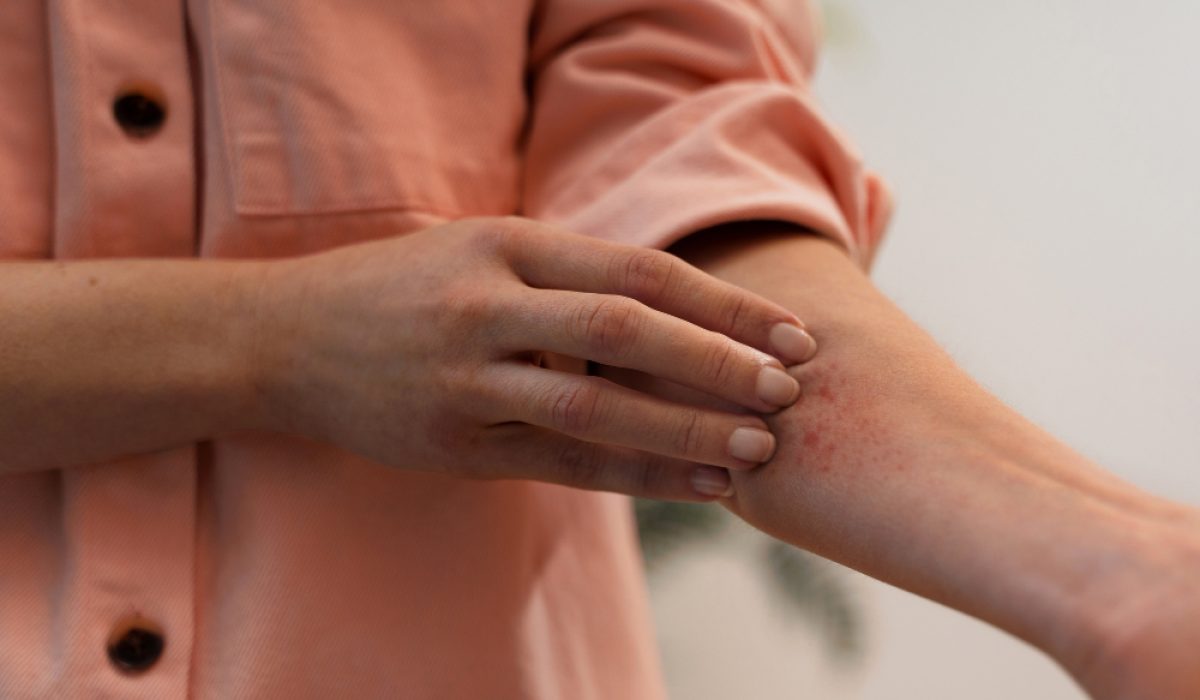
Urticaria, also called Sheetpitta in Ayurveda, is a common skin allergy. It causes red, itchy bumps or hives on the skin. These bumps can appear suddenly and may last for hours or days. Ayurveda for skin allergies, especially urticaria, focuses on purifying the blood from within. This approach helps remove toxins and supports healthy skin. In this blog, you will learn about urticaria, its symptoms, and how Ayurveda can help treat and prevent it naturally.
What is Urticaria (Sheetpitta)?
Urticaria is a skin condition where itchy, red welts or hives appear. These hives can be small or large and often change shape. Sometimes, they join together to form bigger patches. The main symptoms include:
Often, triggers include certain foods, medicines, stress, or sudden temperature changes. However, in many cases, the exact cause is unknown. For some people, urticaria can become a long-term problem.
Ayurvedic Perspective on Skin Allergies
According to Ayurveda, skin allergies like urticaria happen when there is an imbalance in the body’s doshas (Vata, Pitta, and Kapha). Especially, an increase in Pitta dosha and toxins in the blood can lead to Sheetpitta. Therefore, Ayurveda believes that purifying the blood is key to treating skin allergies. This process, called ‘Rakta Shuddhi,’ helps remove harmful substances from the body. As a result, the skin becomes healthier and less prone to allergies. Ayurveda in India has used these methods for centuries to treat various skin problems.
Causes of Urticaria According to Ayurveda
Ayurveda lists several reasons for urticaria (Sheetpitta). Some common causes include:
Because these factors disturb the balance in the body, they can trigger skin allergies. For this reason, Ayurveda focuses on both removing toxins and restoring balance.
Ayurvedic Treatments for Urticaria
Ayurvedic treatment for urticaria aims to purify the blood and calm the doshas. There are several natural ways to treat hives using Ayurveda. Here are some common methods:
Herbal Remedies
Always use these herbs under the guidance of a qualified Ayurvedic practitioner.
Dietary Recommendations
Because diet plays a big role, making these changes can help manage symptoms.
Lifestyle Changes
These steps, along with herbal remedies, support Ayurveda blood purification for skin allergies.
Prevention and Lifestyle Guidance
Preventing urticaria is possible with some simple steps. Here are practical tips based on Ayurvedic principles:
Additionally, using natural skin care products can help prevent irritation. Over time, these habits can lower the risk of skin allergies.
When to Consult a Specialist
Sometimes, urticaria can become severe or last for many weeks. You should seek medical help if you notice:
In these cases, consult a qualified Ayurvedic practitioner or a doctor. Early treatment can prevent complications and provide relief.
Conclusion
In summary, Ayurveda offers natural ways to treat urticaria (Sheetpitta) by purifying the blood from within. Herbal remedies, a healthy diet, and lifestyle changes can help manage and prevent skin allergies. However, always consult a qualified Ayurvedic practitioner for personalized advice on treating urticaria (Sheetpitta).
References: World Health Organization (WHO), Ministry of AYUSH (India), and peer-reviewed Ayurvedic journals.