
Introduction to Rheumatoid Arthritis and Ayurveda
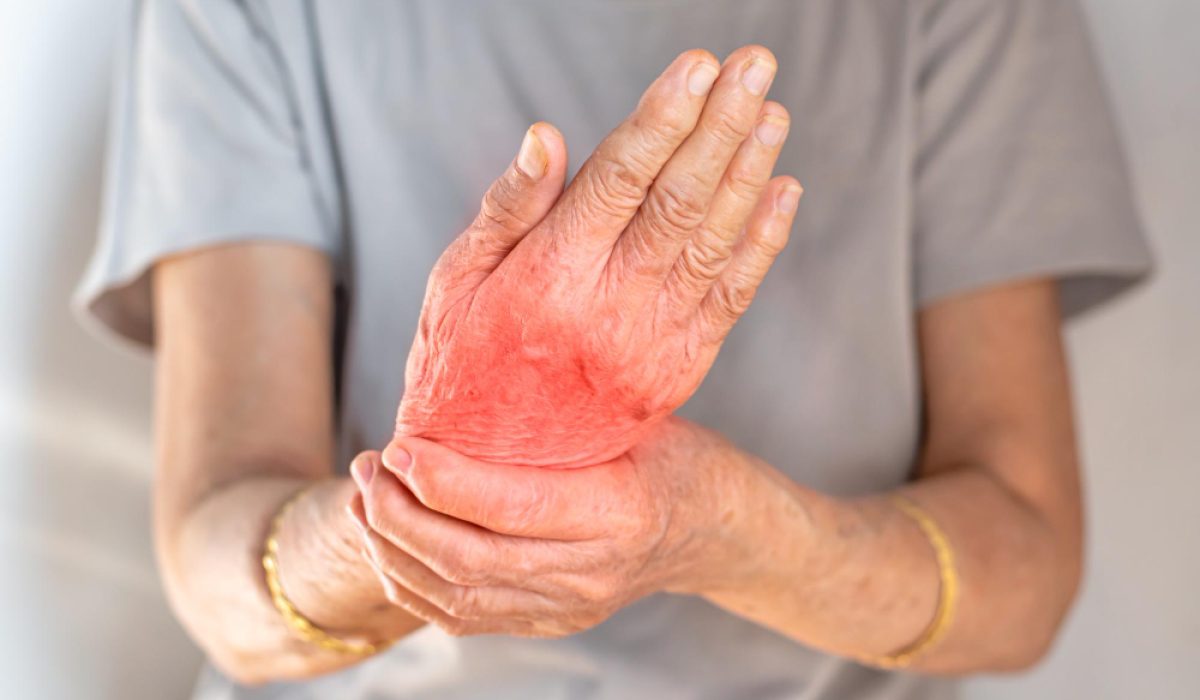
Rheumatoid arthritis is a long-term condition that causes joint pain and swelling. Many people look for natural remedies for joint pain. Ayurveda for rheumatoid arthritis is gaining attention as a gentle, holistic approach. Ayurveda is an ancient Indian system of medicine. It uses herbs, diet, and lifestyle changes to help manage health problems. In India, Ayurvedic treatment for RA is often used alongside modern medicine. This blog explains how Ayurveda can help with rheumatoid arthritis and what you should know.
Common Symptoms of Rheumatoid Arthritis
Rheumatoid arthritis, or RA, affects the joints. It can make daily life hard. However, knowing the symptoms can help you seek help early. Common signs include:
Because symptoms can change over time, regular check-ups are important.
Ayurvedic Perspective on Rheumatoid Arthritis
In Ayurveda, rheumatoid arthritis is called “Amavata.” According to Ayurveda, RA happens when toxins (ama) build up in the body. These toxins mix with an imbalance in the doshas, mainly Vata and sometimes Kapha. As a result, joints become swollen and painful. Ayurveda believes that poor digestion and weak metabolism can lead to toxin buildup. Therefore, balancing the doshas and removing toxins is key in Ayurvedic treatment for RA.
Ayurvedic Diagnosis Methods
Ayurvedic doctors use several ways to diagnose rheumatoid arthritis. First, they ask about your symptoms and daily habits. Next, they check your pulse, tongue, and eyes. Sometimes, they look at your digestion and sleep patterns. Because Ayurveda treats each person as unique, the diagnosis is always personalized. This helps create a treatment plan that fits your needs.
Ayurvedic Treatments for Rheumatoid Arthritis
Ayurveda offers many natural remedies for joint pain. These include herbs, therapies, and special diets. Some common Ayurvedic treatments are:
Because each person is different, an Ayurvedic doctor will choose the best treatments for you.
Lifestyle and Dietary Guidance in Ayurveda
Ayurveda for rheumatoid arthritis also focuses on daily habits. For example, eating at regular times helps digestion. Here are some lifestyle and diet tips from Ayurveda:
Because small changes can make a big difference, try to follow these tips daily.
Prevention and Self-care Tips
Although RA cannot always be prevented, Ayurveda offers self-care tips to lower your risk. For instance, keeping your digestion strong is important. Here are some ways to care for yourself:
Because prevention is better than cure, these habits can support joint health.
Scientific Evidence and Safety Considerations
Some studies suggest that Ayurveda for rheumatoid arthritis may help reduce pain and swelling. For example, herbs like Ashwagandha and turmeric have shown anti-inflammatory effects in research (PubMed, 2022). However, more large studies are needed. Always talk to your doctor before starting any new treatment. Some herbal remedies for rheumatoid arthritis may interact with other medicines. In addition, not all Ayurvedic products are tested for quality. Therefore, choose a qualified Ayurvedic practitioner and use trusted sources.
Conclusion
Ayurveda offers natural remedies for joint pain and helps manage rheumatoid arthritis. With herbs, therapies, and lifestyle changes, you may find relief. However, always consult a qualified Ayurvedic practitioner or healthcare provider for personalized advice.