
Introduction
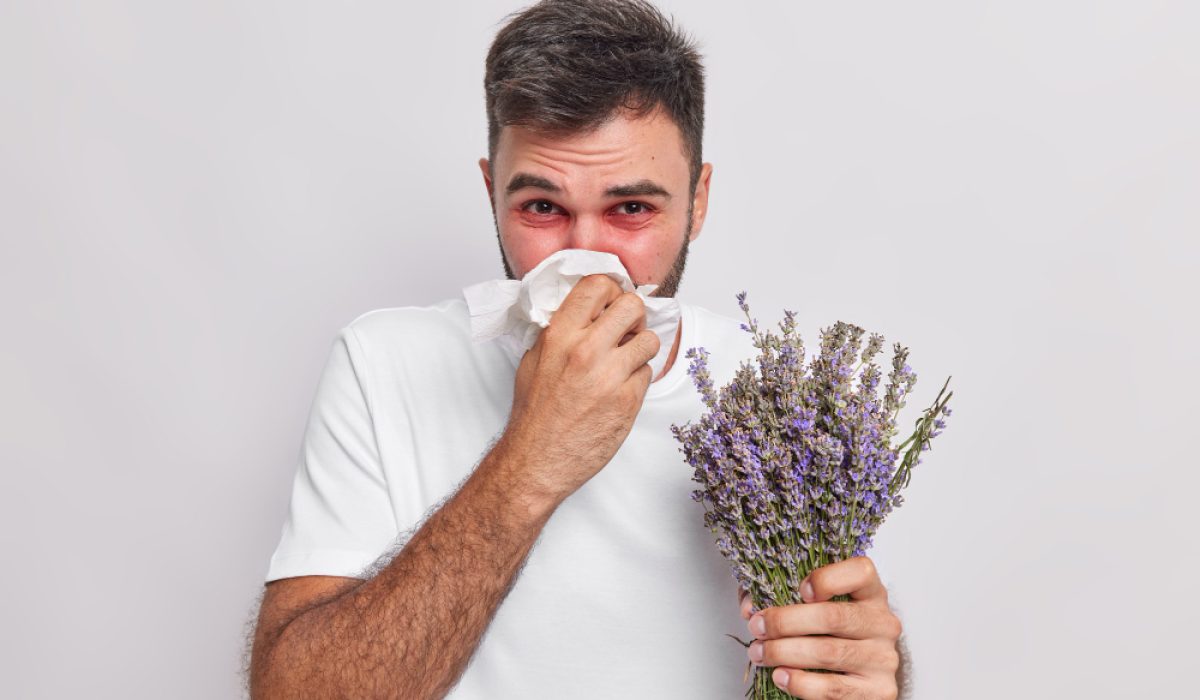
Allergic rhinitis, often called hay fever, causes sneezing, runny nose, and itchy eyes. Many people look for gentle ways to feel better. Ayurveda for allergic rhinitis offers natural relief and prevention. Ayurveda is an ancient Indian system of medicine. It uses herbs, diet, and lifestyle changes to help the body heal. According to the World Health Organization, Ayurveda is safe when practiced by trained experts. In this blog, you will learn about symptoms, Ayurvedic views, natural remedies, and prevention tips for allergies.
Symptoms of Allergic Rhinitis
Allergic rhinitis can make daily life hard. However, knowing the symptoms helps you seek help early. Common signs include:
Sometimes, these symptoms get worse during certain seasons. For example, pollen in spring can trigger hay fever. But dust or pet dander can cause symptoms all year.
Ayurvedic Perspective on Allergic Rhinitis
Ayurveda explains allergic rhinitis as “Pratishaya.” It believes that an imbalance in the body’s energies, called doshas, leads to allergies. The three main doshas are Vata, Pitta, and Kapha. Usually, Kapha and Vata doshas play a big role in allergic rhinitis. When these doshas are out of balance, the body reacts to dust, pollen, or other triggers. According to Ayurvedic journals, poor digestion and weak immunity can also cause allergies. Therefore, Ayurveda focuses on balancing doshas and improving digestion to prevent and treat allergic rhinitis.
Common Ayurvedic Remedies and Treatments
Ayurveda for allergic rhinitis uses natural remedies and therapies. These methods help reduce symptoms and boost immunity. Here are some common Ayurvedic treatments:
Always use these remedies under the guidance of a qualified Ayurvedic practitioner. The Ministry of AYUSH, Government of India, recommends consulting experts for safe use.
Lifestyle and Prevention Tips According to Ayurveda
Ayurveda for allergic rhinitis also focuses on daily habits. Simple changes can prevent allergy attacks. Try these tips:
Moreover, eating fresh, seasonal fruits and vegetables can help. But avoid foods that increase mucus, like ice cream or fried snacks. These steps support the Ayurvedic prevention of allergic rhinitis.
When to Consult an Ayurvedic Specialist
Although natural remedies can help, sometimes symptoms need expert care. You should see an Ayurvedic specialist if:
Furthermore, a qualified practitioner can suggest safe herbs and therapies. They can also guide you on diet and lifestyle changes for lasting relief.
Conclusion
Ayurveda for allergic rhinitis offers gentle, natural ways to manage allergies. With the right herbs, diet, and habits, you can find relief and prevent future attacks. However, always consult a qualified Ayurvedic practitioner for personalized advice on managing allergic rhinitis.