
Introduction
Eczema is a common skin problem that causes redness, itching, and dryness. Many people struggle with its effects on daily life. However, Ayurveda offers a unique way to manage eczema. Ayurvedic eczema treatment uses natural remedies, herbs, and lifestyle changes. This approach aims to balance the body and soothe the skin. In this blog, you will learn about eczema, its symptoms, causes, diagnosis, and how Ayurveda can help.
What is Eczema?
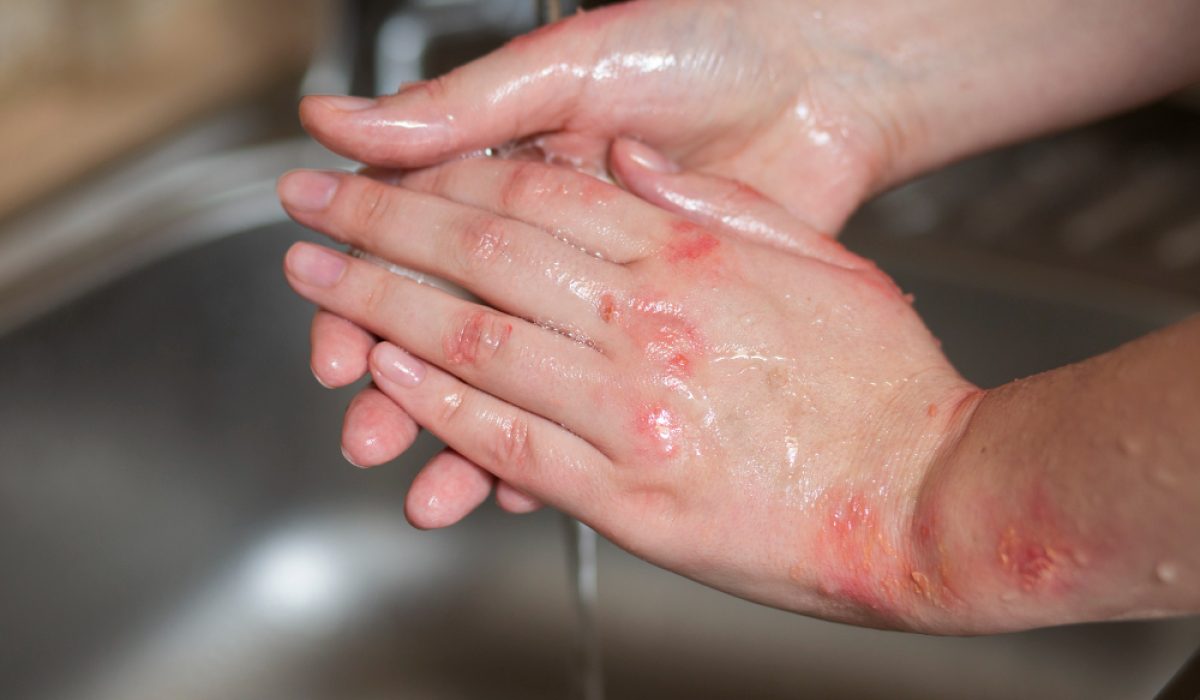
Eczema is a skin condition that leads to dry, itchy, and inflamed patches. Sometimes, these patches can become red or even ooze. Eczema is not contagious, so you cannot catch it from others. It can affect people of all ages, but it often starts in childhood. Although eczema can be long-lasting, many people find relief with the right care. According to the World Health Organization (WHO), eczema is one of the most common skin diseases worldwide.
Common Symptoms of Eczema
People with eczema may notice different symptoms. Yet, some signs are very common. Early treatment can help manage these symptoms well. Look for:
Sometimes, symptoms can flare up due to triggers like stress or certain foods. But with natural eczema management, you can reduce these flare-ups.
Causes of Eczema According to Ayurveda
Ayurveda believes that eczema happens when the body’s doshas (Vata, Pitta, and Kapha) are out of balance. Especially, an increase in Pitta and Kapha can lead to skin problems. This imbalance may be caused by:
Therefore, Ayurvedic remedies for eczema focus on restoring balance and removing toxins from the body.
How Eczema is Diagnosed
Doctors usually diagnose eczema by looking at your skin and asking about your symptoms. Sometimes, they may ask about your family history or allergies. In Ayurveda, a specialist may also check your pulse, tongue, and lifestyle habits. This helps them understand your dosha balance. While lab tests are not always needed, they may rule out other skin problems. Early diagnosis can help you start natural eczema management sooner.
Ayurvedic Treatment Options for Eczema
Ayurvedic eczema treatment uses gentle, natural methods. These aim to calm the skin and balance the body. Some common options include:
Always use these remedies under the guidance of a trained Ayurvedic specialist. Some herbs may not suit everyone.
Lifestyle and Dietary Guidance in Ayurveda
Ayurveda teaches that daily habits play a big role in skin health. For better results, try these tips:
Moreover, gentle skin care is important. Use mild soaps and avoid hot showers, as they can dry out your skin.
Prevention Tips for Eczema
While eczema cannot always be prevented, you can lower your risk of flare-ups. Consider these simple steps:
With these habits, you can support your skin’s natural barrier and reduce discomfort.
When to Consult an Ayurvedic Specialist
If your eczema does not improve with home care, it is time to seek help. Also, if you notice signs of infection, such as pus or fever, consult a doctor right away. An Ayurvedic specialist can create a personalized plan for you. They will consider your body type, lifestyle, and symptoms. Early guidance can help you find the best natural eczema management for your needs.
Consult an Ayurvedic specialist for personalized eczema care and guidance.
